


4 day Great Ocean Road itinerary: Warrnambool to Melbourne
Updated: Jun 6
While most travellers rush the Great Ocean Road in a single, blurry day trip from Melbourne, the real magic happens when you slow down. We’re flipping the script and taking the route in reverse, starting from the charming coastal town of Warrnambool and winding our way back to the city.
While the traditional Melbourne to Warrnambool route keeps you on the ocean side of the road, starting at the ‘finish line’ in Warrnambool allows you to save the world-famous Twelve Apostles for the end of day one and avoid the massive midday tour bus crowds that pour out of the city. It also gives you a much quieter, more relaxed start to one of the world’s most iconic coastal drives.
This post contains affiliate links. If you make a purchase or booking through one of these links, we may receive a small commission at absolutely no extra cost to you. This helps support our blog so we can keep creating free, comprehensive travel guides for our readers. Thank you for your support!

From the rugged limestone formations of the Shipwreck Coast to towering Californian Redwoods, magical glowworms and wild koalas lounging in the manna gums, here is our ultimate four day Great Ocean Road itinerary:
Day 1: Great Ocean Road's beautiful rock formations.
Your journey begins in Warrnambool, but before you pick up speed, we’re heading just a few minutes east for two essential morning stops.
Season permitting, start your day at the Logan’s Beach Whale Nursery. Grab a coffee en route and camp out on the wooden viewing platform overlooking the sea: between June and September, Southern Right Whales often come within a few hundred metres of the shore to give birth and raise their calves.
Packing Tip: When packing for your Australian road trip, make sure you bring binoculars. While you can see the splashes with the naked eye, binoculars let you see the incredible detail of a mother whale breaching or a calf playing in the surf. Plus there are lots more wildlife encounters to come...
Just five minutes down the road is Cheese World and Museum at Allansford. It’s a great spot to learn about the region's rich dairy history and try some samples! Grab some local cheddar or a famous milkshake to fuel the drive ahead.
As you leave Allansford, the official Great Ocean Road begins. Interestingly, the road doesn’t hit the ocean immediately. It loops through lush, rolling green farmland first before finally cresting a hill and revealing the jagged, salt-sprayed cliffs of the Shipwreck Coast.
As you begin the drive toward Port Campbell, the Great Ocean Road's coastline becomes an incredible gallery of world famous limestone rock formations. This stretch is known as the Shipwreck Coast, and for good reason: the Southern Ocean is relentless here. There are so many potential stops and view points to choose from, but if you'd like a shortlist of recommendations, these were or favourites:
Bay of Islands and Bay of Martyrs: Often overlooked, these offer vast, quiet vistas of epic sea stacks that rival the Apostles.
The Grotto: Part cave, part blowhole, part natural arch. It is incredibly photogenic, especially when the spray from the waves mists over the opening.
London Bridge: A fascinating reminder of how quickly this coastline changes, London Bridge famously "fell down" in 1990, leaving two tourists stranded on the new island created by its partial collapse!
Thunder Cave: Don’t skip this one! You can hear it before you see it—the ocean rushes into a narrow gorge, creating a deep, booming "thunder" sound as the air and water compress.
The Razorback: An enormous, dramatic and jagged rock formation surrounded by sea stacks
Gibson Steps: If the tide is low and the steps are open, head down to the sand. Standing at the base of the Gog and Magog sea stacks makes you realize just how tiny we are compared to these ancient giants.
Finish the day at the Twelve Apostles. Sunset is the main event, but don’t rush away once the sun dips. Head back to the viewing platforms just after dusk and you may spot the local colony of Little Penguins returning from a day at sea. Keep your eyes on the shoreline: Just as the sun dips below the horizon, as each wave washes in, little rafts of penguins ride the water ashore and huddle beside the ocean. Once they've gathered enough numbers to feel safe, they scurry up the beach and disappear into their burrows.
Unlike the famous Penguin Parade at Phillip Island, there are no tickets, no stadium seating and no crowds. It’s quieter and feels far more natural. The penguins are quite far down on the beach, so binoculars really help to spot their tiny blue-grey bodies waddling back to their burrows. It’s a calm, memorable end to your first day, but be sure to wrap up warm in a jacket and hat - the temperature drops dramatically once the sun is down.
For more on the incredible wildlife you can spot along this entire stretch of coast and in the forests inland, check out our guide on where to see wildlife along the Great Ocean Road.
Day 2 Great Otway National Park: Rainforest, waterfalls and glowworms
Day two is all about heading inland into the cool, green heart of the Otways. From waterfalls and rainforest walks to quiet coastal viewpoints, there are plenty of lesser-known Great Ocean Road attractions that often get missed on rushed day trips.
Start the morning at Otway Fly Treetop Adventures. The elevated walkway takes you high above the forest floor, offering a completely different perspective on the rainforest canopy. It’s well designed, easy to walk and suitable for all ages. Book your tickets online in advance to save a few dollars.
From here, drive on to the Californian Redwoods near Beech Forest. Planted in the 1930s, this quiet grove feels slightly surreal and is a lovely spot for a wander and a few photos. Try to arrive earlier in the day before the tour buses roll in.
Next up is Hopetoun Falls, one of the most impressive waterfalls in the park. The walk down to the viewing platform is steep but short, and the sight of the water cascading through the ferns is worth it.
If you’re after an easy rainforest walk, Maits Rest Trail is perfect. This short boardwalk loop winds through towering trees and lush undergrowth and is ideal if you’re travelling with kids or just want a gentle leg stretch.
In the afternoon, head back towards the coast and visit Cape Otway Lightstation, the oldest surviving lighthouse on mainland Australia. The clifftop setting is spectacular, and it’s a great place to learn about the region’s maritime history and the treacherous conditions that gave the Shipwreck Coast its name. If you're lucky, our might even see whales from this vantage point.
As night falls, make your way to Melba Gully for one of the Otways’ most memorable experiences. The short rainforest walk here comes alive after dark, with glowworms lighting up the banks like tiny stars.
Top tip, bring a head torch with a red light setting and hold it pointing at your feet for navigating the path from the car park - white light will ruin your night vision - and don't shine any light at the glow worms, it frightens them and makes them stop glowing!
Day 3: Australian icons: Koalas, Great Ocean Road Memorial Arch and surfers at Bell's Beach
After the rainforest, it’s time to return to the coast and tick off some of the Great Ocean Road’s most recognisable stops.
Drive towards Kennett River, a tiny coastal settlement that’s one of the best places in Australia to see koalas in the wild. Park near Kafe Koala, grab a coffee and a pie, then head up Grey River Road on foot. Keep your eyes on the manna gums, where koalas often snooze in the forks of the branches.
This is another moment where binoculars come into their own. Many koalas sit high in the canopy, and being able to see their faces makes all the difference. You’ll likely spot Sulphur-crested Cockatoos and Kookaburras too.
Continue on to Lorne, one of the liveliest towns on the route. Before stopping for lunch in one of its seafront cafes,, drive up to Teddy’s Lookout for sweeping views of the Great Ocean Road curling around the cliffs below. It’s one of the best photo spots on the drive and another likely place to see Kookaburras.
If you fancy another short detour inland, Erskine Falls is just outside town and offers a peaceful break among the trees.
Back on the coast, stop at the Great Ocean Road Memorial Arch for the obligatory photo. The arch commemorates the returned servicemen who built the road after World War I, and it’s worth taking a moment to appreciate the effort that went into carving this route through such rugged terrain.
Cool off with a sweet treat at the Great Ocean Road Ice Creamery where you can try amazing artisanal flavours, watch chocolatiers at work and score some free samples, then continue on to Anglesea for the night.
Day 4: Wildlife encounters and the birthplace of Aussie surf culture
Start your final day with a 10 am kangaroo tour at Anglesea Golf Club. Hundreds of Eastern Grey Kangaroos live on the course and are remarkably relaxed around people, so long as you keep your distance. A guided buggy tour gives you a closer look and a chance to learn more about these iconic animals, all against a very Australian backdrop of fairways and sand bunkers. You can book your place here.
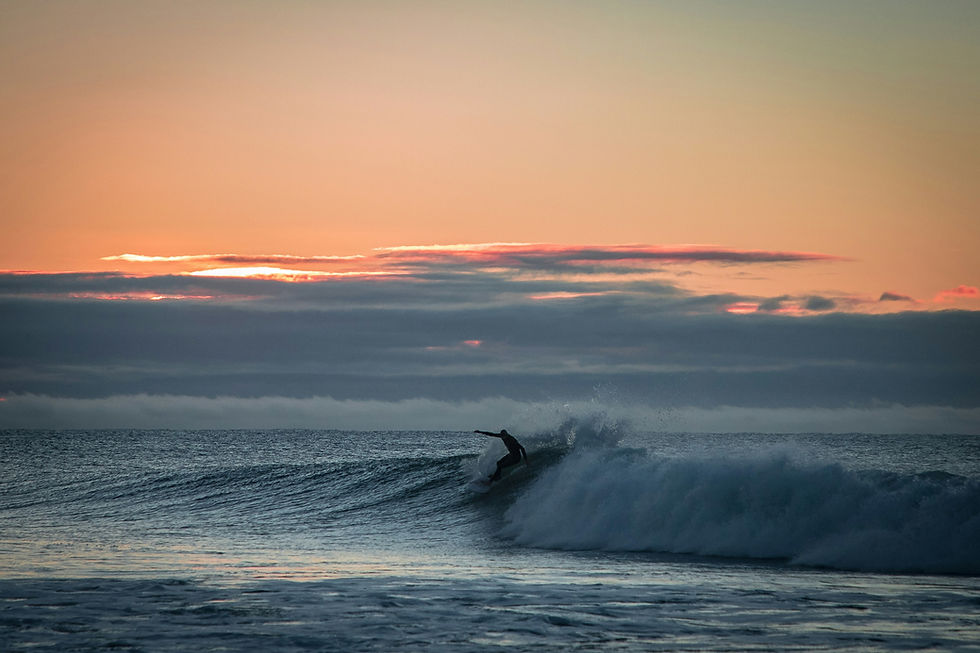
Next, head to Bells Beach near Torquay, a pilgrimage site for surfers from around the world. Even without a competition on, the sight of powerful Southern Ocean swells rolling into the rust-coloured cliffs is impressive. Use your binoculars again to watch surfers picking off waves far out to sea and if you’re lucky, dolphins sometimes join the action.
Spend the afternoon in Torquay, the birthplace of brands like Rip Curl and Quiksilver. Visit the Australian National Surfing Museum if you’re interested in the history of the sport, then browse the outlets or head to the beach for a final coastal walk.
From here, it’s an easy drive to Melbourne. The final 65 miles should take around an hour and a half, traffic permitting.
Great Ocean Road: trip at a glance
Duration: 4 days / 3 nights
Starting point: Warrnambool, heading east to Melbourne
Total distance: Approx. 300 miles, including Otway rainforest detours
Best time to visit: September to November for spring weather and whales, or March to May for crisp autumn days. We visited in September.
Essential gear: Binoculars for whales, koalas and penguins, waterproof layers for the Otways, a warm layer for evenings and ocean breezes, and a sturdy rental car.
Car Hire: We booked through Discover Cars. They were brilliant for our Great Ocean Road trip - half the price of the major airport kiosks with full insurance coverage -and they’ve since become our go-to, most recently for our road trip around Jeju Island in South Korea. As we start eyeing up the even more rugged terrain of New Zealand for our next big family road trip later this year, Discover Cars will undoubtedly be our first port of call for securing a reliable, family-friendly ride.
Related content
If you’re planning other parts of your Australia trip, you might find these useful:
Great Ocean Road alternative stops - unique detours and things to do apart from the Twelve Apostles.
Where to see wildlife along the Great Ocean Road - the best spots for koalas, kangaroos, penguins and more on your drive.
How to visit Uluru from Sydney in 24 hours - a whistle-stop guide if you’re heading to the Red Centre before or after your coastal journey.
5 Sydney bars and cafes with views of the Opera House - tips on where to eat and drink with a view if your trip starts or ends in Sydney.
13 unmissable things to do in Adelaide, South Australia - explore another city on your Australia itinerary before heading to Warrnambool.
21 brilliant free things to do in Sydney - if you’re budgeting or looking for more Sydney ideas.
Pin this blog for later!


